
Puerto Viejo, Costa Rica
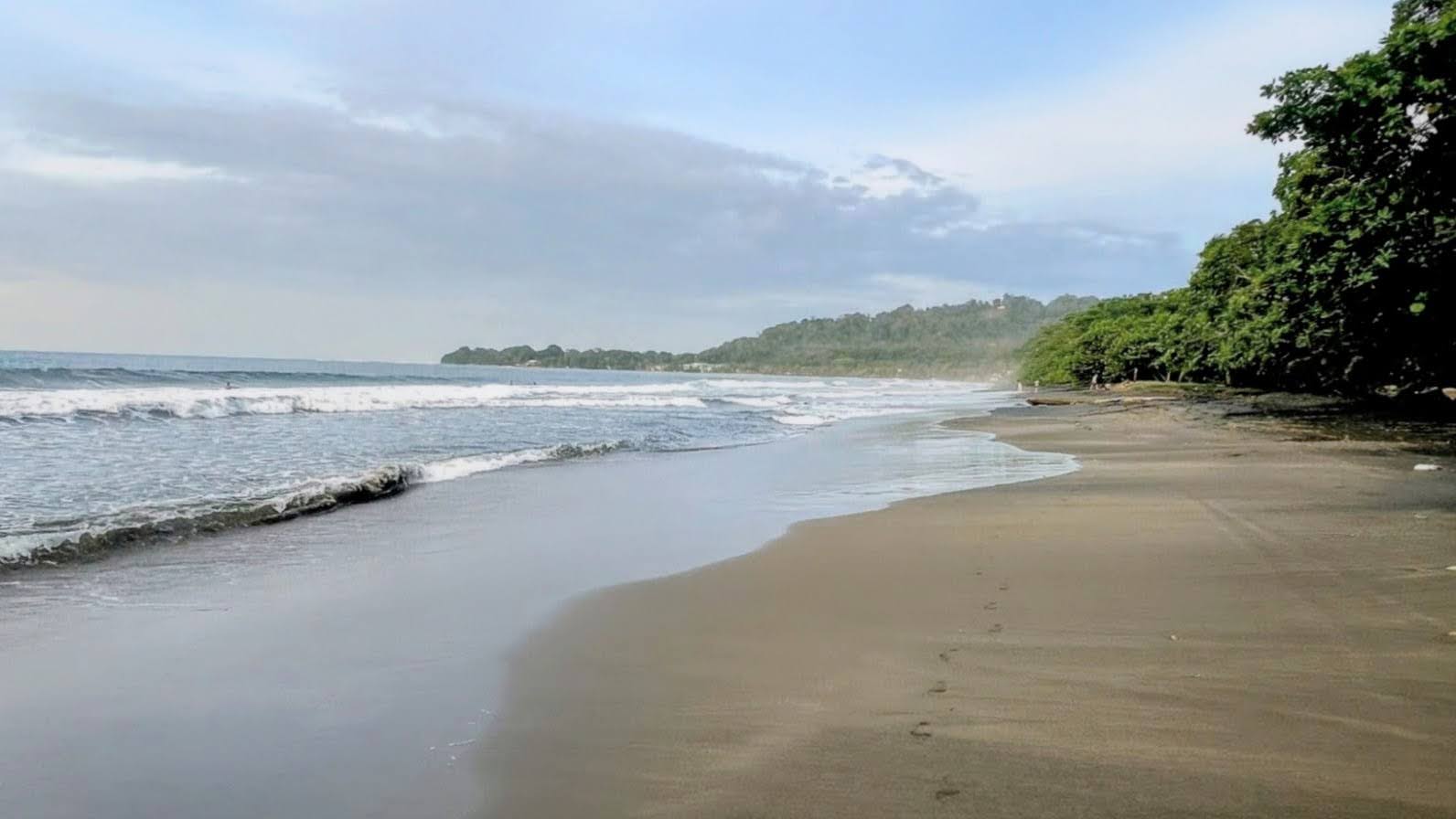
Puerto Viejo de Talamanca is the Caribbean coast's most laid-back town—a place where travelers come for 3 days and stay for 3 weeks. Scattered across 10km of rainbow-colored beaches, lush jungle, and a thriving local culture, it's a fundamentally different Costa Rica than the Pacific side. Snorkel pristine coral reefs. Walk past sloths in roadside trees. Eat Caribbean jerk chicken. Listen to live reggae. Take a cold shower if the pipes get clogged. Welcome to Puerto Viejo.
Quick facts about Puerto Viejo
Location: Caribbean coast, Limón Province, about 200 km (3.5 hours by car) from San José.
Population: ~3,000 locals in the town proper; the municipality is much larger.
Vibe: Slow, bohemian, multi-cultural. Mix of locals (Afro-Caribbean, indigenous Bribri), expats, and travelers.
Weather: Tropical. Warm year-round (25–29°C / 77–84°F). Rainy, but usually afternoon showers. No true dry season; it's a spectrum from "manageable" to "very wet."
Best time to visit: February–April (driest) or September–October (local secret, fewer tourists, lower prices).
Accommodation range: Budget hostels ($10–20/night), mid-range hotels & villas ($50–150/night), luxury (Crystal Jungle Villa and others, $150–300+/night).
Getting around: Walk (town is compact), bike ($5–10/day), taxi ($3–8 local trips), public buses ($1–2 to nearby towns).
Where to stay in Puerto Viejo
The town core has budget and mid-range hotels within walking distance. Lodging spreads south along the coast toward Playa Negra and Punta Uva, getting progressively quieter and more upscale. Each has a different flavor:
- Puerto Viejo town center: walkable to restaurants, bars, shops. Noisier, more social, good for people who want nightlife or easy access to services.
- Playa Negra & south: 15–30 minutes on foot or a short bike ride from town. Quieter, jungle-backed beaches, more intimate. Popular with families and couples seeking peace.
- Cocles & Chiquita: 3–5 km south, calm waters, good for swimming and families.
- Punta Uva: 8 km south, more remote, pristine reef snorkeling, furthest from town amenities.
Beaches & water activities
Snorkeling: Cahuita National Park's reef is the Caribbean jewel—underwater clarity and coral variety are best in September–October. Punta Uva also has offshore reefs. Expect to see parrotfish, angelfish, and if lucky, rays or nurse sharks.
Playa Cocles: Golden sand, good for swimming and body surfing.
Playa Chiquita: Coves and tide pools, laid-back vibe.
Playa Negra: Dark volcanic sand, rockier, strong currents. Better for walking and sunset viewing than swimming; snorkel from shore where protected.
Surfing: Break at Salsa Brava (north of town, for experienced surfers) and smaller waves at Cocles.
Wildlife viewing in Puerto Viejo
The Caribbean jungle is dense and alive. You'll likely see:
- Sloths: Lazy, everywhere, especially along the coastal road and in trees near roads. See them any time of day but early morning is most active.
- Monkeys: Howler monkeys (their roar is unmistakable), white-faced capuchins, spider monkeys. All vocal.
- Birds: Toucans, macaws, hummingbirds, motmots. The jungle is a bird-watcher's paradise.
- Iguanas: Common, some large, usually green but can change color.
- Sea turtles: Baula and leatherback turtles nest nearby (seasonal).
Hire a local guide for a jungle hike or visit the Jaguar Rescue Center for up-close animal encounters.
Things to do in Puerto Viejo
- Cahuita National Park day trip: 30 minutes north. Snorkel the reef, hike the 8 km coastal trail, see wildlife. Accessible by public bus or taxi.
- Manzanillo Wildlife Refuge: 20 minutes south. Quieter, less crowded, jungle trails, river mouth, snorkeling.
- Bribri cultural tours: Visit an indigenous Bribri community for cacao or chocolate tours. Family-run, authentic, educational.
- Night walks: Nocturnal jungle tours reveal frogs, spiders, sleeping birds, and other creatures active after dark.
- Scuba diving: Several operators offer dives to deeper reefs and sites a bit offshore.
- Yoga & wellness: Retreat centers and individual instructors offer classes, massages, and wellness packages.
- Fishing: Sport fishing and traditional fishing tours available.
Food & restaurants
Puerto Viejo's dining reflects its Caribbean roots and international community. Expect fresh seafood, tropical fruits, and Caribbean spices.
- Caribbean jerk: Jerk chicken, rice & beans, fresh plantains. Local staple, cheap, delicious.
- Seafood: Fresh mahi-mahi, snapper, lobster (when in season). Typically grilled whole or in ceviche.
- Patí: Jamaican-style meat or vegetable pastry, flaky and satisfying.
- Rondón: Coconut seafood stew with plantain, yucca, and fish. Uniquely Caribbean.
- Pizza: Surprisingly good Italian-style pizza from local pizzerias.
- Vegetarian: Several restaurants cater to dietary preferences with rice bowls, veggie stir-fries, salads.
Restaurants range from beachside cabanas to casual sodas (small local restaurants) to sit-down establishments. Most are affordable ($8–25 per person). Happy hour is common (3–6 pm) with discounted drinks and appetizers. For specific recommendations by category and neighborhood, see the best restaurants in Puerto Viejo guide.
Practical information
Getting there
From San José: Public bus (MEPE, ~4.5 hours, cheapest option), shuttle service (~4 hours, mid-range), or rental car (~3.5 hours). Most budget travelers take the bus; it's reliable and gives you time to decompress.
From Limón city: 1 hour south by bus or taxi.
Getting around Puerto Viejo
Town center: Walkable. Main strip is about 500m of restaurants, shops, and bars.
Biking: Best option. Rental shops ($5–10/day) have beach cruisers and mountain bikes. Road south is mostly flat, passes all the beaches. Always lock your bike.
Taxis: Official orange taxis, no meter, negotiate price beforehand. Local trips $3–5, beach trips $6–12.
Public buses: To Cahuita, Manzanillo, and neighboring areas. Cheap, reliable, but schedules vary. Ask your accommodation.
Where to stay
Accommodation ranges from budget hostels to private villas. For a private experience close to Playa Negra with 2 bedrooms, A/C, and WiFi, Crystal Jungle Villa is the closest villa rental to the beach in this part of the coast.
Currency & costs
Costa Rican colón (₡). USD accepted almost everywhere. ATMs in town. Budget for $30–50/day (basic), $75–150/day (mid-range), $200+/day (comfort/luxury).
Safety
Puerto Viejo is generally safe, but use common sense: don't flash expensive items, avoid walking alone after dark in isolated areas, and be aware of your surroundings at night in town. Petty theft happens; keep valuables secure.
Internet & phone
Cell service is good. WiFi available in hotels, cafes, and restaurants but not always fast. SIM cards from local providers (Kolbi, Movistar) are cheap for data/calls if staying longer.
Health & pharmacies
Medical clinic in town for minor issues. Pharmacies well-stocked. Travel insurance recommended. Bring sunscreen (reef-safe) and mosquito repellent.
Frequently asked questions
Is Puerto Viejo good for families?
Yes. Calm beach areas like Cocles and Chiquita are family-friendly. Many activities cater to kids: wildlife spotting, beach days, gentle hikes, and cultural tours. Pace is relaxed, accommodation is family-oriented.
What should I pack for Puerto Viejo?
Light, breathable clothing; rain jacket or poncho; reef-safe sunscreen; insect repellent; sturdy shoes for jungle walks; swimsuit; waterproof bag. Evenings are warm but casual (no fancy dress required). Bring a refillable water bottle.
Can you extend your stay easily?
Yes. Many travelers arrive for a long weekend and end up staying weeks. Accommodation is flexible, rental shops will extend bike bookings, and the pace encourages slow travel. Immigration allows tourist visas up to 180 days.
Is English widely spoken?
Yes, especially in tourism areas. Many locals speak English well. Spanish is the official language, but English is sufficient for most travelers. Learning a few Spanish phrases is appreciated.